6 recruitment marketing ideas that go beyond job boards
I talk to recruiters constantly. I read what they post on Reddit. The gap between "recruitment marketing" as most teams practice it and recruitment marketing that produces hires is enormous. Here are the ideas that actually move the needle.


AI summary
- Your hiring process, rejection emails, and application flow are doing more recruitment marketing than your job posts.
- 94% of people who see your opening don't apply, and half who start don't finish. The best thing you can do is focus on your funnel, not your distribution.
- Six ideas that cost almost nothing: treat hiring like a product experience, let employees talk, build a nurture system, fix your application, stop ghosting candidates, and track which sources actually produce hires.
The advice in this post will feel obvious. But I wouldn’t be writing it if I didn’t see the same mistakes every time I look at how companies try to attract candidates.
I talk to recruiters constantly. I read what they post on Reddit. I watch how companies describe their hiring process on LinkedIn and then hear from candidates about what the experience was actually like. The gap between “recruitment marketing” as most teams practice it and recruitment marketing that produces hires is enormous.
Here’s what most teams do: post on Indeed and LinkedIn, boost it, maybe ask marketing to share it on Instagram, then wait. When the role doesn’t fill in three weeks, they repost. When it still doesn’t fill, they blame the market.
I’d call that distribution on autopilot. And most recruitment marketing ideas you’ll find online are just more sophisticated versions of it. Write a better description. Post on more boards. Add salary ranges. Fine. Do those things. But if 94% of people who see your opening decide not to apply, and half the ones who do start an application don’t finish, your problem isn’t visibility. Your funnel leaks at every stage, and you’re standing at the top pouring in more water.
The companies that consistently hire well have figured out that every touchpoint, from the first impression to the rejection email, does marketing work whether anyone on the team calls it that or not. These eight ideas operate on that principle. Some are obvious but ignored. A few are genuinely underused. None require an employer brand team or a five-figure budget.
1. Treat your hiring process like a product experience
Your employer brand is not the content on your careers page.
It’s what employees and candidates say about your company, whether that’s factual or perception. And I’ve heard it all:
- “I went through 5 rounds of interviews, including a 2-hour presentation, and never heard back.”
- “I was promoted within six months and I feel seen by my upper management.”
- “The CEO makes us empty our trash can before we leave for the day.”
A brand can be manufactured to a certain point. But when the actions conflict with the talk, word travels fast. Especially when you hire within proximity to a specific community or market.
So the real question: are your day-to-day practices actually creating the experience you’re advertising?
Most companies design their hiring process for internal convenience. The form has fourteen fields because legal wanted them. The timeline is vague because the hiring manager is slammed. Nobody owns candidate communication. I get why it happens. But the candidate doesn’t care why your process is bad. They just know it is.
Walk through your own application like you’re a candidate with three other options. Time it. Read the confirmation email. Ask yourself if you’d feel good about the company afterward. Then fix the obvious stuff. Welcome video before the interview. Clear timeline. A confirmation email that sounds like a person wrote it.
2. Let your employees talk (and stop being so afraid about it)
Employee Generated Content is the Holy Grail of talent attraction. Or recruitment marketing. Or employer brand. Whatever the hell the kids are calling it these days.
If the outside world sees your employees are happy and excited, it blows away any other damn thing you can cook up. But I can count on one hand how many companies figured out how to actually do it.
The first reason? An irrational fear of “The Rogue Employee” blowing up your company. Someone’s going to say the wrong thing and the whole org gets cancelled. Or, short of that, saying something a little off from the Approved Marketing Message and it ruins hiring.
The common solution? Guardrails. Approved topics. Tone. And permission.
Which kills the entire thing before it starts. Employee interest in parroting the message you want them to say is zero.
Here’s the counterplan. Set the tone collaboratively. Host discussions. Understand what your team’s interests are and what they actually want to talk about. Interject your two cents on what maximizes the impact for hiring. And get used to saying yes. The world isn’t going to end because someone on your engineering team posted an unpolished take about a project they shipped.
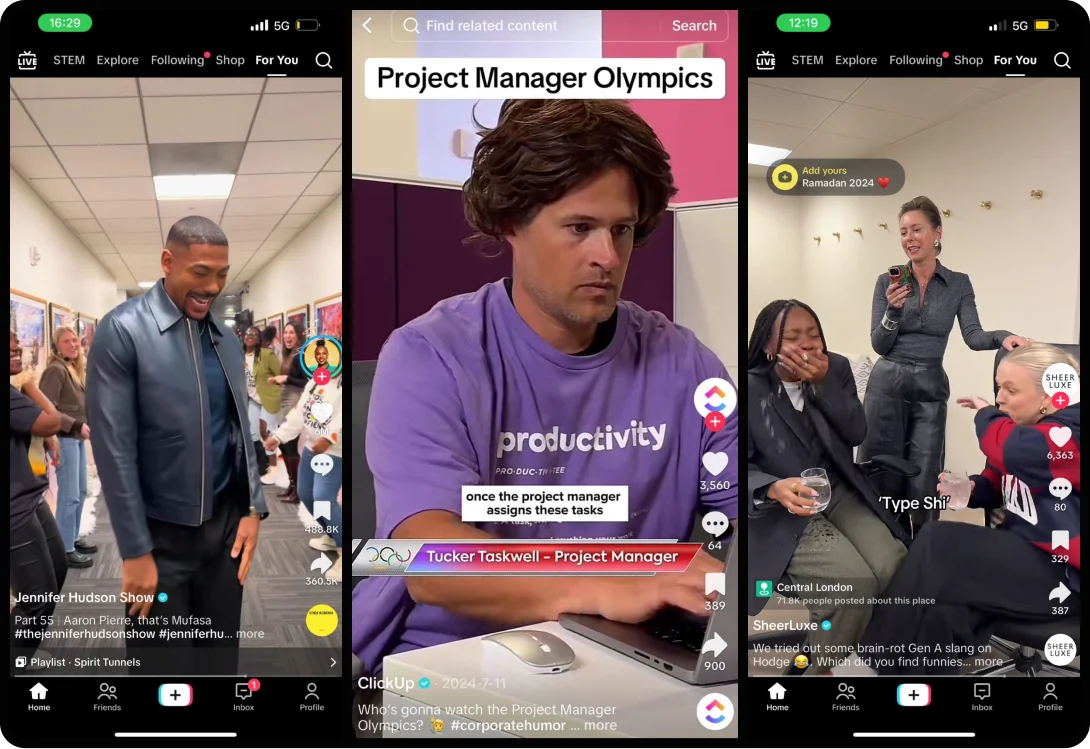
A 45-second phone video from a real employee does more for candidate attraction than a $5,000 employer brand campaign that went through fourteen rounds of approval and came out the other side as beige paste.
3. Build a candidate nurture system
You screened 207 people for the last position. Hired one. What happened to the other 206?
Marketing teams would never let 206 warm leads vanish into nothing. They’d build a nurture sequence. They’d keep the relationship warm until the timing was right. Recruiting teams do the equivalent of throwing those 206 people in the trash, every single time they fill a position.
Those people already know your company. They already demonstrated interest. Some were strong candidates who just weren’t the right fit for that particular role at that particular time.
A candidate nurture system is simple. Quarterly email with new openings. A personal note when a relevant role opens. Even one message after the rejection: “We were impressed. We’d love to stay in touch.”
Re-engaging someone from your candidate pool costs one email. Sourcing someone new from scratch costs time, money, and the entire screening process again. Compound a warm pipeline over six or twelve months and you have a sourcing advantage that no job board budget can match.
4. Make the application itself an experience
Candidates talk about this constantly. Workday is an absolute nightmare. Hundreds of logins, one for each application. Painfully slow manual data entry, all to upload a resume that contains the exact same information you’re asking them to type into form fields.

If it takes 500 applications to get one offer (which is the reality right now), that’s 500 hours wasted just applying. And that doesn’t include interviews, take-home tests, ghosting, commuting, scheduling emails. Candidates know this math. They feel it in their bones. And every unnecessary field in your application is a reminder that your company doesn’t care about their time.
A branded page. Welcome message from the hiring manager. A few knockout questions. Maybe short video responses they record on their own schedule. Ten minutes. Feels like a conversation.
When someone goes through a process like that, they notice. They tell people. Even the ones who don’t get the position walk away thinking this company has their act together. For teams hiring at volume, one-way video interviews make this scalable. But even without video: audit your apply flow this week. Count the fields. Time it.
5. Fix your rejection experience
If a candidate thanks you for simply getting back to them, something is very wrong.
But the number of candidates who say “Well, I at least appreciate you getting back to me” is shocking. That is the absolute bare minimum. That is quite literally the job.
I hear horror stories all the time about recruiters having great conversations with candidates… and then just ghosting them. It takes two seconds to send a note.
“Hey, unfortunately we’re moving forward with a different candidate.” “Hey, the search is paused.” “Hey, I’m slammed today but will get back to you.”
That’s it.
I know recruiters are busy. I get it. But do you realize the livelihood you sometimes have in your hands? You might have had a conversation with someone today that they went home and told their spouse about. They did more research. They got excited. They started imagining a change.
And then… nothing.
We are in the business of people. People who are layered. Emotional. Carrying a lot. The least we can do is be decent.
The upgrade from decent: personalize the rejection for anyone who invested real time. If someone recorded video responses or sat through three rounds, a template email is an insult. Mention something specific. Thank them for the time. Keep the door open.
Companies should also be aware of how the agencies they work with are showing up in the market. Those recruiters are representing your brand whether you realize it or not. One thoughtless rejection becomes a one-star Glassdoor review that sits there for months. One thoughtful rejection becomes a candidate who tells three friends, “Apply there. They treated me like a person.” Sourcing candidates gets measurably easier when your reputation precedes you.
6. Track source quality, not source volume
Teams track how many candidates each channel produces. Almost nobody tracks which channel produced the people who got hired and stayed.
Your loudest channel is probably your worst. Indeed might send 200 candidates. Referrals might send five. If three of those five get hired and stick around, and two of the 200 from Indeed make it past the first screen, your Indeed budget is an expensive habit.
After every hire, write down where that person came from. After ten hires, patterns emerge. After twenty, you have the talent acquisition data to make sourcing decisions with instead of gut feel and inertia.
Tools like Semrush, Google Search Console, and other alternative SEO tools to Semrush can help recruitment teams analyze search performance, track keyword opportunities, understand competitor strategies, and identify content gaps. These insights can help companies optimize recruitment content, improve organic visibility, and attract more qualified candidates through search.
Once you see that referrals and returning candidates produce three or four times the hire rate at a fraction of the cost, you stop reflexively boosting posts and start investing in the systems that produce those outcomes: the nurture emails, the rejection experience, the employee content, the screening process. The stuff that looks soft on a budget spreadsheet is where the returns live.
The recruitment marketing idea nobody wants to hear
Are your day-to-day practices actually creating the experience you’re advertising?
Every candidate who touches your process becomes either a referral source or a warning to others. That math compounds faster than any job board spend. And for small businesses especially, every single interaction shapes your reputation.
The companies with a waitlist of candidates didn’t get there by writing better job posts. They got there because someone told a friend, “Apply there. They actually have their act together.”
Everything else is just posting.
Frequently asked questions about recruitment marketing
What’s the difference between recruitment marketing and employer branding?
Employer branding is your reputation. Your employee value proposition, your company culture, what people say about you on Glassdoor. Recruitment marketing is how you activate that reputation to fill positions. It includes everything from your career site and job postings to email campaigns, social media content, and paid campaigns. Employer branding is the story. Recruitment marketing is the distribution and conversion engine.
Do I need a CRM or recruitment marketing automation platform?
Not to start. A candidate relationship management system or CRM system helps when you’re running a nurture program at scale, but a spreadsheet and a calendar reminder will get you 80% of the way there. The bottleneck is almost never the tool. It’s the habit. Most applicant tracking systems already have basic email and tagging functionality that teams never use. Start there before you buy anything.
How do I measure whether my recruitment marketing is working?
Track recruitment metrics by source. Time-to-hire, offer acceptance rate, and application abandonment rate broken down by channel will tell you more than aggregate numbers ever will. A data-driven strategy doesn’t require sophisticated analytics and reporting. A spreadsheet with five columns (source, candidates, interviews, hires, retained at six months) will change how you spend. You can also A/B test job postings and career site pages to see what drives candidate conversion.
How do I reach passive candidates who aren’t on job boards?
Passive candidates aren’t browsing job boards, but they are on social media. Employee advocacy is the most effective channel here. When your team shares employee stories, video testimonials, or even just what they’re working on this week, that content reaches people who’d never search for your company on Indeed. Content marketing, talent communities, and employee referral programs all work better for passive candidate engagement than any amount of programmatic advertising.
Should I adjust my recruitment marketing for Gen Z?
Gen Z job seekers expect mobile optimization, salary transparency, and fast communication. If your application process doesn’t work on a phone, you’re losing them before they start. They also respond to authentic storytelling over polished brand story content. Employee spotlights written by actual employees outperform corporate day in the life videos. Short-form video testimonials and social proof from real people carry more weight with this audience than any targeted messaging from a company page.
What does a good recruitment campaign look like for a small team?
You don’t need hiring events, virtual events, or a dedicated employer brand team. A good recruitment campaign for a small team looks like this: a clean career site with honest copy, an employee referral program with a simple incentive, a candidate nurture system built on quarterly email campaigns, and a screening process that respects people’s time. Build a talent pipeline from candidates you’ve already screened. Develop candidate personas for your three hardest roles so your messaging speaks to a real target audience. That’s a recruitment strategy that compounds, and none of it requires a budget.

.png)